
Winter often brings higher utility bills as homeowners work to keep their houses warm and comfortable. The good news is that reducing energy use doesn’t mean giving up warmth or convenience. With a combination of smart habits, simple improvements, and thoughtful upgrades, you can create a cozy home while finding many opportunities to save energy. Understanding how heat moves through your home, identifying the areas where the biggest energy drains occur, and recognizing how your daily routine affects consumption are all key components of building a more efficient household. Once you identify these patterns, it becomes much easier to save energy throughout the colder months.
Upgrade Home Efficiency for Better Winter Performance
One of the most effective ways to save energy in winter is to improve the overall efficiency of your home. Winter air tends to expose weak spots, especially in older houses where drafts and air leaks cause steady heat loss. Inspect areas around windows, baseboards, chimneys, and doors to identify places where cold air seeps inside. Sealing these gaps with caulk or weatherstripping is a simple, inexpensive, and immediate way to improve comfort. Adding insulation will also significantly reduce heat loss. Many attics are under-insulated, causing warm air to rise and escape through the roof. Upgrading insulation in the attic, walls, or crawlspaces creates a barrier that helps your heating system work less while still keeping your home warm. Even insulating hot water pipes or installing insulated curtains will help save energy with minimal effort. Combined, these upgrades make your home feel consistently warmer while reducing the frequency of your heating system’s on-off cycles.
Heating System Habits That Help Save Energy
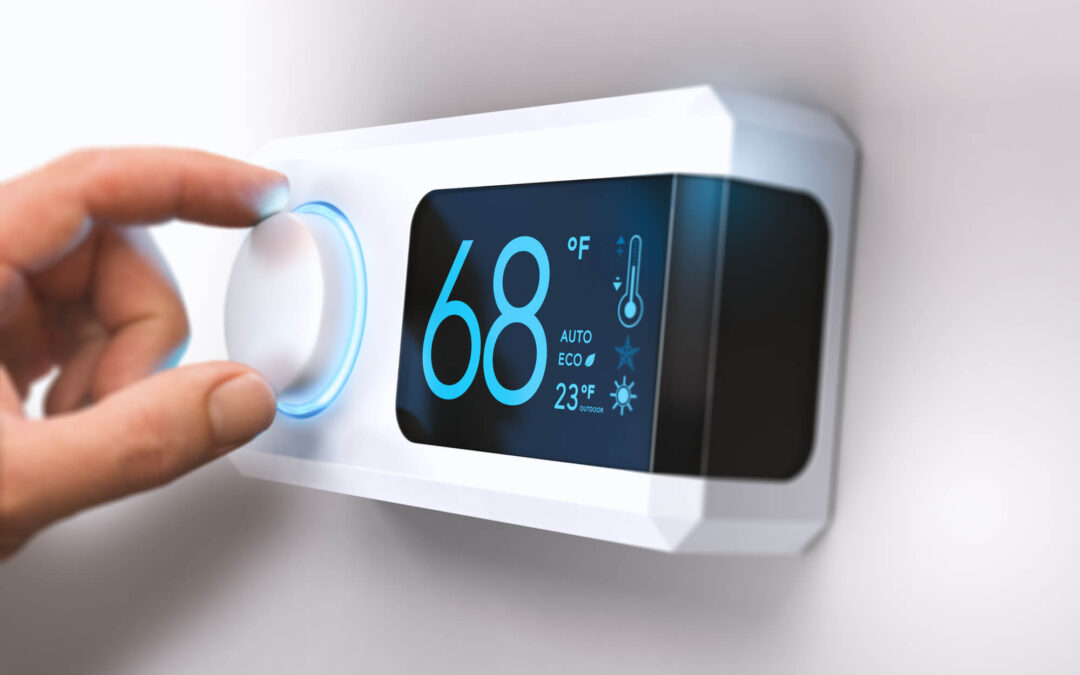
Your heating system works hardest in the winter, and taking care of it is essential if your goal is to save energy. A clogged or dirty filter forces the system to run longer and harder, which uses more energy and stresses the equipment. Changing your filter every one to three months ensures proper airflow and helps maintain efficiency. It also helps keep your home’s air quality healthier, which is especially beneficial when windows are closed most of the season. Programmable thermostats make a big difference in energy savings. Lowering the temperature by just a few degrees when you’re away or asleep reduces heating costs. Smart thermostats take this a step further by learning your habits and adjusting settings automatically. Paired with proper system maintenance, like annual tune-ups, checking ductwork for leaks, and keeping vents unblocked, your system will perform better and uses less energy.
Save Energy with Smart Home Practices
You don’t need major renovations to save energy. Many everyday habits add up to noticeable savings. Taking advantage of natural sunlight is a simple example. Opening blinds and curtains during sunny days lets free heat into your home. Closing them at night helps retain that warmth. Cooking and baking during colder months also support efficiency goals. When you use your oven, the heat it generates continues to warm your kitchen long after you’ve finished cooking. Using ceiling fans on a low, reverse setting pushes warm air down, helping rooms feel warmer without increasing the thermostat. Being mindful of hot water use also helps reduce energy consumption. Taking shorter showers, washing clothes in cold water, and insulating your water heater reduce heat loss and lower energy use. These small and consistent habits help contribute to your overall plan to save energy while maintaining a comfortable living space.
Improve Efficiency with Upgrades That Last
For homeowners ready for bigger investments, certain upgrades offer significant long-term benefits. Replacing single-pane windows with double or triple-pane options dramatically reduces heat transfer, making spaces more comfortable and lowering energy demand. Installing an energy-efficient HVAC system or upgrading to a heat pump will help you save energy over time. Air sealing conducted by a professional will identify hidden leaks that may not be readily apparent. Upgrading to LED lighting, adding smart home devices, or improving insulation in key areas all contribute to a home that performs well in every season. Though these upgrades require planning, they offer consistent energy savings year after year and help create a more sustainable home.
Frequently Asked Questions (FAQs)
How can I save energy without lowering my comfort level?
Start by sealing drafts, improving insulation, optimizing thermostat settings, and utilizing natural heat from the sun.
Do small habits really help save energy during the winter?
Definitely, small actions, such as closing blinds at night, wearing warm layers, and reducing hot water usage, add up to meaningful reductions in your energy bill.
Is upgrading insulation worth the investment?
Yes. Upgraded insulation helps your home retain heat more effectively, reduces the workload on your furnace, and provides long-term savings.
Carolina HomePro Inspections provides inspections to customers in Charlotte, NC, and in the Rock Hill area of South Carolina. Contact us to schedule an inspection.