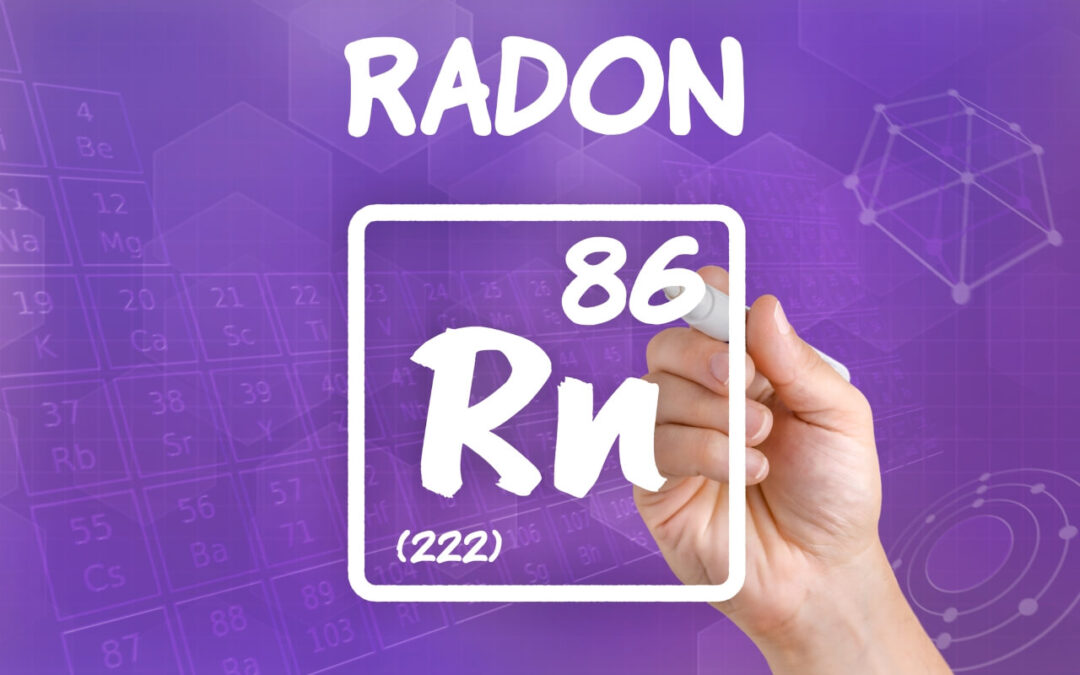
Radon testing is a crucial step in assessing the health and safety of a home. Yet, it is often overlooked because the risk is invisible, undetectable by sight, smell, or taste. Radon is a naturally occurring radioactive gas that can accumulate indoors, particularly in homes with basements or crawlspaces. For both homebuyers and homeowners, radon testing provides essential information that supports informed decisions and long-term peace of mind.
What Radon Is and Why It Matters
Radon forms from the natural breakdown of uranium in soil and rock beneath the ground. As it rises, it can enter homes through cracks in foundations, gaps around pipes, sump pits, and other small openings. Once inside, radon could become trapped and accumulate to elevated levels, especially in homes with tight seals. The primary concern with radon exposure is health-related. Long-term exposure to elevated radon levels is the second leading cause of lung cancer overall and the leading cause among non-smokers. Because symptoms do not appear immediately, many people are unaware of the risk unless testing is performed. This makes proactive testing crucial.
Why Radon Testing Is Important for Homes
Radon levels may vary significantly from one home to the next, even within the same neighborhood. The only way to know a home’s radon level is through proper radon testing. Testing provides measurable data that removes guesswork and allows homeowners to take appropriate action if elevated levels are present. For homebuyers, testing is especially important during the purchase process. It offers insight into a potential health risk before committing to a property. For existing homeowners, periodic testing ensures that changes to the home or surrounding soil have not increased radon levels over time.
Radon Testing Should Be Performed by Professionals
While do-it-yourself radon kits are widely available, professional radon testing offers accuracy, consistency, and reliable interpretation of results. Professional testing uses calibrated equipment placed in the correct location under controlled conditions, which reduces the risk of inaccurate readings. A professional radon test is conducted according to established protocols, including proper placement, test duration, and environmental controls. This guarantees results reflect the true radon level in the home rather than temporary fluctuations. Professional testing also provides clear documentation, which is particularly valuable during real estate transactions.
Understanding Radon Mitigation Options
If testing reveals elevated levels, mitigation is the next step. Radon mitigation involves reducing radon concentrations to acceptable levels through proven methods. The most common mitigation system uses a vent pipe and fan to draw radon from beneath the home and safely release it outside. Mitigation systems are customized based on the home’s foundation type and layout. When installed correctly, these systems are highly effective and often significantly reduce radon levels. In most cases, mitigation does not require major structural changes and can be completed efficiently.
Follow-Up Testing After Mitigation
After a mitigation system is installed, follow-up radon testing is important to confirm its effectiveness. Testing verifies that radon levels have been successfully reduced and that the system is functioning as intended. Ongoing testing is also recommended every few years or after significant home modifications, such as finishing a basement or improving energy efficiency. Regular testing ensures continued protection and long-term confidence in indoor air quality.
Radon Testing as Part of Responsible Homeownership
Radon testing supports healthier living environments and informed decision-making. Because radon is invisible and naturally occurring, testing is the only reliable way to assess risk. Whether preparing to buy a home or maintaining one already owned, testing demonstrates a proactive approach to safety and well-being. Addressing radon concerns early prevents long-term exposure and reduces health risks for occupants. With professional testing, effective mitigation, and follow-up verification, homeowners will confidently manage this often-misunderstood hazard.
Radon testing is a simple yet powerful step toward protecting both health and property value. By understanding radon risks, relying on professional testing, and addressing elevated levels through mitigation and follow-up testing, homeowners and buyers can create safer living environments with confidence.
Frequently Asked Questions (FAQs)
What is considered a high radon level?
The Environmental Protection Agency recommends action when radon levels are at or above 4.0 picocuries per liter.
Can new homes have radon problems?
Yes. Radon can affect both new and older homes regardless of construction quality.
How long does radon testing take?
Professional short-term radon testing typically takes 48 hours to complete.
Is radon mitigation expensive?
Costs vary by home, but mitigation is generally affordable compared to the long-term health risks of untreated radon exposure.
Does radon ever go away on its own?
Radon levels may fluctuate, but elevated levels do not typically resolve on their own without mitigation.
Carolina HomePro Inspections provides inspections to customers in Charlotte, NC, and in the Rock Hill area of South Carolina. Contact us to schedule an inspection.