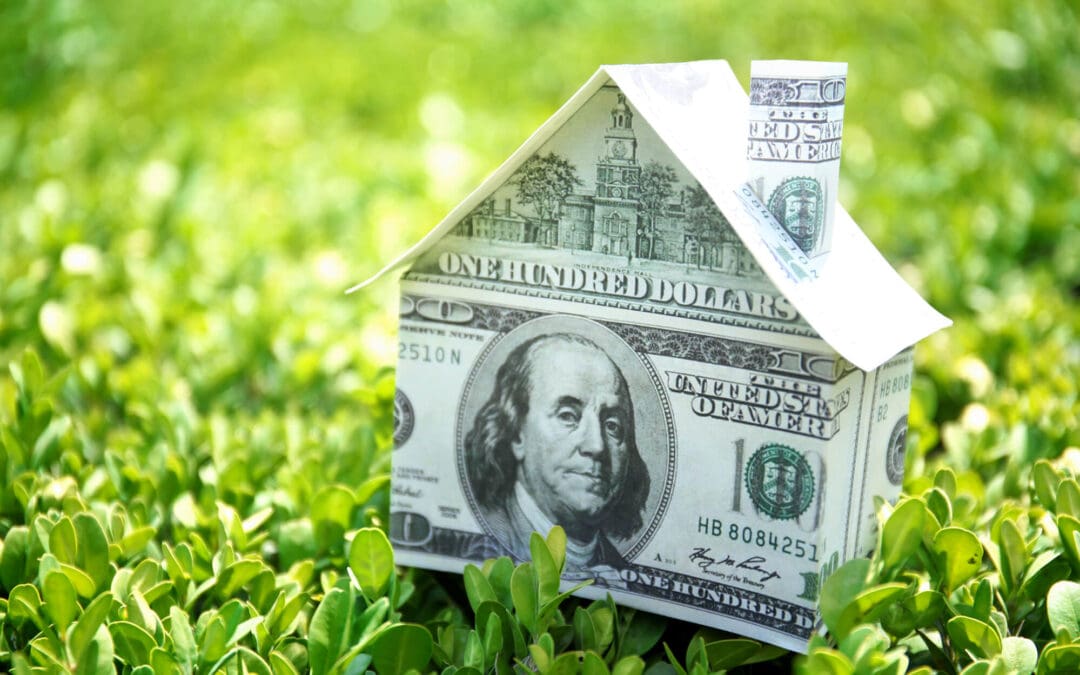
Buyers often focus on the down payment and forget that closing costs could add thousands of dollars on top of it. These fees are due when you sign the final paperwork, and they catch many first-time buyers off guard. Understanding what closing costs include, how much to expect, and where you can save helps you walk into the closing table with confidence. Knowing the numbers early helps you set a realistic budget and avoid last-minute stress.
Know What Closing Costs Include
Closing costs generally run two to five percent of the home’s purchase price. They cover a mix of lender fees, third-party services, and prepaid items. Lender charges include origination and underwriting fees. Third-party costs cover the appraisal, title search, title insurance, attorney fees, and recording fees. Prepaids typically include homeowners insurance, property taxes, and interest. Your lender must give you a Loan Estimate within three business days of applying, which lists these costs. Costs differ by state, so ask your lender and real estate attorney for a detailed breakdown. In both North Carolina and South Carolina, attorneys typically handle closings, so legal fees are part of the total. Request an itemized list early so you can compare it against your estimate and ask questions about anything unclear.
Budget for Costs Outside the Lender’s Estimate
Not every expense shows up in the closing costs on the lender’s paperwork. Plan separately for your home inspection, which is typically paid at the time of service, and for any specialty inspections such as radon, sewer scope, or termite. Add moving costs, utility deposits, and initial repairs or updates. Set aside a cushion for immediate needs like locks, cleaning, or small fixes. Buyers who plan for these extras avoid scrambling after the keys are in hand, and a cushion keeps closing costs from derailing your move-in plans. Think about homeowners insurance deposits, HOA fees, and possible transfer fees as well. If the home has a septic system or a well, additional testing can add to your costs.
Compare Lenders and Ask Questions
Get Loan Estimates from at least three lenders and compare the closing costs line by line. Some lenders charge more in origination fees but offer a lower rate, while others reverse the trade. Ask which fees are negotiable, and shop for title insurance and other services where you are allowed to choose. Review the Closing Disclosure, which you must receive at least three days before closing, and compare it with the Loan Estimate. If numbers jump, ask why. Catching an error before closing is much easier than fixing it afterward. Don’t be afraid to negotiate. Lenders compete for business, and a competing offer can sometimes lead to a lower fee or a better rate. Keep in mind that the lowest rate doesn’t always mean the lowest overall cost, so look at the annual percentage rate and the total fees together.
Find Ways to Reduce Closing Costs
You have several options for easing the bill. You can ask the seller to contribute toward your closing costs, which is a common request, especially when the home needs repairs. Some loan programs and local assistance programs help first-time buyers with fees. You may also negotiate a lender credit in exchange for a slightly higher interest rate. Timing matters too, since prepaid interest depends on the date you close. Ask your agent how contributions from the seller are limited by your loan type. Some loans cap the amount, so it helps to know the rules before you write your offer. Planning ahead gives you more room to negotiate.
Frequently Asked Questions (FAQs)
How much are closing costs on average?
Typically two to five percent of the purchase price, though the exact amount depends on the loan, location, and lender. Local taxes and fees can push the total higher.
Who pays closing costs, the buyer or the seller?
Both pay some fees. Buyers usually pay most lender and title fees. Sellers often pay agent commissions and may contribute toward buyer costs. These arrangements are negotiable in many markets.
Can I roll closing costs into my loan?
In some cases, yes, but it increases your balance and interest. Ask your lender about the pros and cons. Not all loan types allow this.
When do I pay closing costs?
At closing, either by wire transfer or cashier’s check. Your Closing Disclosure shows the exact amount due. Confirm wire instructions by phone to protect against fraud.
Is a home inspection part of closing costs?
It is a separate expense paid when the inspection is done, not at closing. Budget for it along with your other costs. Many buyers pay for it by card at the inspection.
Carolina HomePro Inspections provides inspections to customers in Charlotte, NC, and in the Rock Hill area of South Carolina. Contact us to schedule an inspection.