
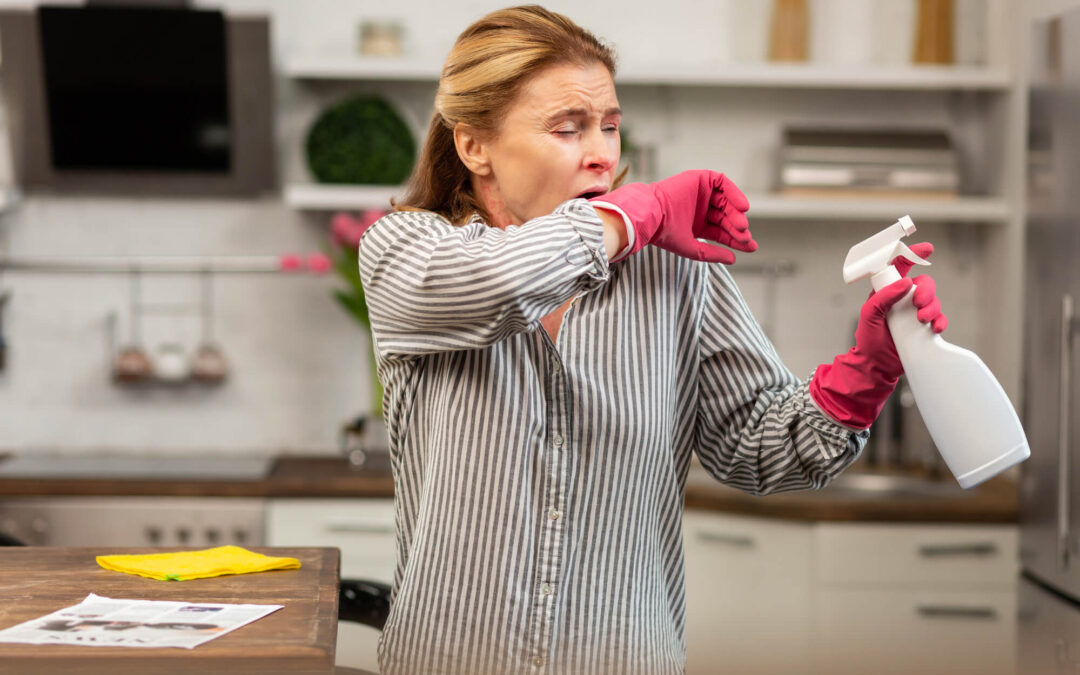
Moving into a new house brings a sense of fresh beginnings, but for many owners, it also brings a hidden inventory of substances that can affect long-term wellness. Understanding the presence of chemicals in your home is a vital part of modern property management, as many common building materials, cleaning agents, and even furniture pieces release invisible vapors into the living space. While the modern world relies on various synthetic compounds for convenience and durability, a knowledgeable homeowner knows how to balance these benefits with proper ventilation and mindful product selection. By focusing on indoor air quality and safe storage practices, you will significantly reduce your exposure to unwanted irritants without sacrificing the cleanliness or functionality of your household.
Identifying Common Sources of Chemicals in Your Home
The first step in creating a healthier living environment is recognizing where potential irritants tend to hide. Many chemicals in your home originate from “off-gassing,” a process in which volatile organic compounds (VOCs) are released from new products like synthetic carpeting, pressed-wood furniture, and freshly painted interiors. These substances are often responsible for that distinct “new house smell,” which, while often celebrated, is actually a signal that chemical vapors are present in the air. Beyond building materials, everyday items such as scented candles, air fresheners, and certain dry-cleaned fabrics contribute to the chemical load. Being aware of these sources helps you make more informed purchasing decisions, such as opting for solid wood over particleboard or choosing low-VOC paints for your first renovation projects.
Safer Cleaning Practices to Reduce Chemicals in Your Home
The products we use to maintain our homes are often the most significant contributors to the daily chemical count. Many traditional disinfectants and heavy-duty degreasers contain harsh ammonia or chlorine bleach, which linger in the air long after the surfaces are dry. To minimize the concentration of chemicals in your home, consider transitioning to “green” cleaning alternatives that utilize plant-based surfactants and natural fragrances. Simple household staples like distilled white vinegar, baking soda, and lemon juice can handle a surprising number of cleaning tasks with zero toxic residue. If you must use stronger industrial cleaners for specific jobs, always open windows and run exhaust fans to prevent the buildup of fumes in enclosed spaces.
The Role of Ventilation in Managing Home Toxins
Airflow is perhaps your greatest ally in keeping your indoor environment pristine. Because modern homes are built to be extremely airtight for energy efficiency, chemicals in your home can become trapped and concentrated over time if there is no path for fresh air to enter. Utilizing high-efficiency particulate air (HEPA) filters in your HVAC system is an excellent start, as these can capture fine dust and some airborne particulates. However, mechanical filtration should be paired with active ventilation. Opening your windows for just fifteen minutes a day, even in cooler weather, will significantly flush out stagnant air. Furthermore, ensuring that your kitchen and bathroom fans vent directly to the outside, rather than into an attic, prevents moisture and chemical residues from settling into the home’s structure.
Smart Storage and Disposal Strategies
How you store your household supplies is just as important as how you use them. To prevent accidental chemical releases in your home, always keep paints, pesticides, and automotive fluids in their original containers with lids tightly sealed. These items are best kept in a detached garage or a well-ventilated outdoor shed rather than in a basement or a utility closet inside the main living area. This separation guarantees that even if a container leaks or off-gasses slightly, the fumes do not migrate into your bedrooms or kitchen. Additionally, make it a habit to participate in local hazardous waste collection days rather than pouring old chemicals down the drain or tossing them in the regular trash, which protects both your home’s plumbing and the local environment.
Frequently Asked Questions (FAQs)
What exactly are VOCs and why should I care?
Volatile Organic Compounds, or VOCs, are carbon-based chemicals that evaporate easily at room temperature. They are found in thousands of products, from printers to permanent markers. Long-term exposure to high levels of VOCs inside the home can lead to headaches, respiratory irritation, and other health concerns.
Are natural cleaners as effective as traditional chemicals?
In the vast majority of daily scenarios, yes. While some heavy-duty industrial tasks might require specialized products.
How can I tell if my indoor air quality is poor?
Symptoms of poor air quality often mirror those of allergies, such as itchy eyes, sneezing, or a dry throat that seems to improve when you leave the house. You might also notice lingering odors or visible mold growth in damp areas.
Is it safe to store garden chemicals in my basement?
It is generally discouraged. Basements often have poor ventilation and are connected to the rest of the house through the HVAC system’s return vents. If a bottle of pesticide or paint thinner leaks, the fumes can spread throughout the home.
Carolina HomePro Inspections provides inspections to customers in Charlotte, NC, and in the Rock Hill area of South Carolina. Contact us to schedule an inspection.