Selecting a roof material is one of the most consequential home decisions you’ll make because you’ll live with the choice for decades and the range of options varies more than most homeowners realize. The right material for a coastal home in Florida looks very different from the right choice for a mountain cabin in Colorado or a craftsman bungalow in the Carolinas. Climate, budget, architectural style, HOA requirements, and maintenance tolerance all factor into the decision, and understanding how each material performs across these variables is what separates a choice that serves you well for thirty years from one that creates regrets at the ten-year mark.
What to Consider Before Choosing a Roof Material
Every roof material decision involves trade-offs between upfront cost, longevity, maintenance requirements, weight, aesthetics, and climate suitability. No single material wins on every dimension, the right starting point is understanding what your specific situation requires rather than defaulting to what’s most common in your neighborhood. Climate is the variable that most often determines which roof materials perform well. High wind environments demand materials with strong wind ratings. Coastal climates introduce salt air that accelerates deterioration in some materials. High UV environments age certain products faster. Starting with your climate’s specific demands narrows the field considerably before any other factor enters the conversation.
Asphalt Shingles: The Most Common Roof Material for Good Reason
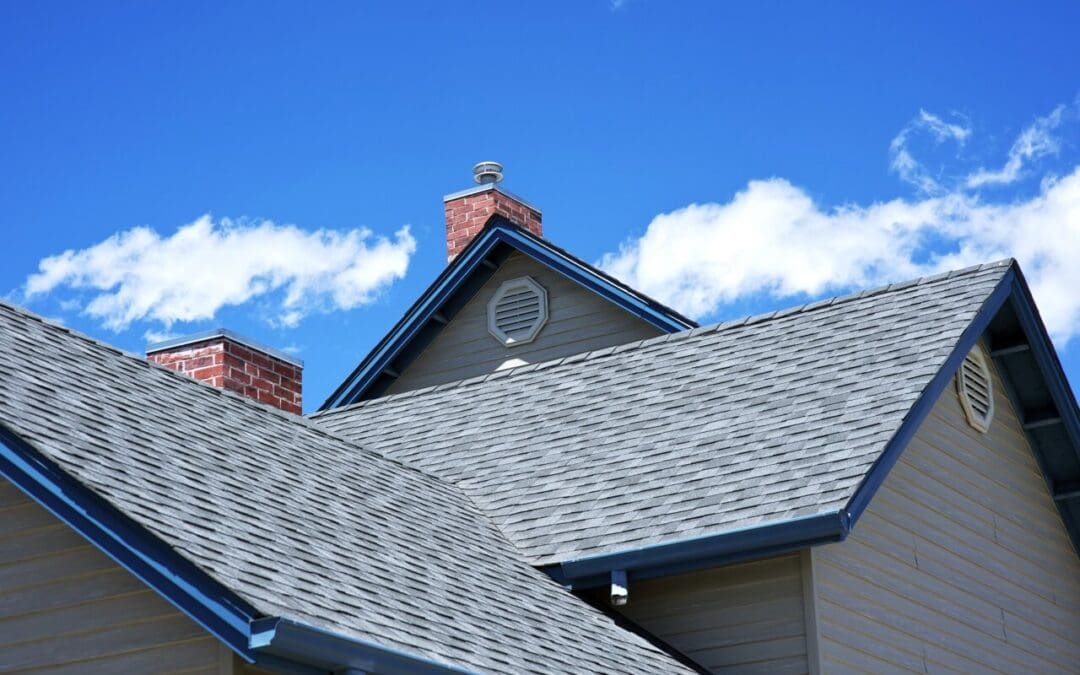
Asphalt shingles are the most widely used roof material in the United States, and the reasons hold up to scrutiny. They offer a practical combination of affordability, wide availability, ease of installation and repair, and acceptable performance across a broad range of climates. Three-tab asphalt shingles are the most economical option, typically lasting 15 to 25 years. Architectural or dimensional shingles are a meaningful upgrade in both appearance and durability, typically warranting 25 to 30 years and often performing longer. The trade-offs for asphalt shingle material are real. They’re not the most durable option, they’re susceptible to algae growth in humid climates, and they contribute significantly to landfill waste at end of life. In humid and high-wind environments, architectural shingles with higher wind ratings are the appropriate specification.
Metal, Tile, and Premium Material Options
Beyond asphalt, several roof material options offer superior longevity or specific climate advantages that justify their higher upfront cost. Metal roofing has grown significantly in residential applications. Standing seam metal offers exceptional durability outstanding wind resistance, excellent fire resistance, and the ability to shed water rapidly. In coastal environments, metal roofing with marine-grade coatings handles salt air well. Metal is also fully recyclable at end of life. The upfront cost is significantly higher than asphalt but the extended lifespan and minimal maintenance make the lifetime cost more competitive than the initial number suggests.
Concrete and clay tile dominates in the Southwest, Florida, and coastal California, where the aesthetic suits regional architecture and the climate aligns with tile’s performance profile. Tile handles high heat and UV exposure better than most other roof materials. The significant weight of tile requires that the roof structure be verified to support it, an important consideration for replacement projects. Wood shakes and shingles suit craftsman, cottage, and rustic styles well. Cedar performs reasonably in dry climates but requires regular maintenance and is not appropriate in regions with high fire risk or persistent moisture.
Frequently Asked Questions (FAQs)
What is the longest-lasting roof material available?
Clay tile and slate are the longest-lasting roof materials, with lifespans of 50 to 100 years for clay tile and 75 to 150 years for natural slate when properly installed. Metal in standing seam profiles falls close behind at 40 to 70 years.
What roof material performs best in high-wind and storm-prone areas?
Metal roofing, particularly standing seam profiles, offers the strongest wind resistance of mainstream roof materials and is an excellent choice in storm-prone regions. Architectural asphalt shingles rated to 130 mph or higher are a more budget-friendly option that still delivers meaningful wind resistance. Concrete tile performs well in high-wind areas when properly installed with mechanical fastening rather than adhesive. In any high-wind environment, the installation method and fastening pattern matter as much as the roof material itself.
How do I know which roof material my HOA or municipality allows?
HOA restrictions on roof materials are common and vary widely, some specify approved materials by type, color range, or manufacturer. Before committing to any roof material, obtain your HOA’s current guidelines in writing.
Does roof material choice affect homeowner’s insurance rates?
Yes, roof material is a factor insurers consider when pricing coverage, particularly in high-wind and hail-prone regions. Impact-resistant asphalt shingles rated Class 4 qualify for premium discounts with many insurers. Metal roofing and tile often qualify for similar discounts due to their durability and fire resistance ratings. The roof material’s age, wind rating, and overall condition all factor into how insurers assess risk and price coverage. Contact your insurer before finalizing your roof material decision to understand which products may qualify for discounts in your area.
What should I ask a roofing contractor when selecting a roof material?
Ask about the contractor’s experience installing the specific roof material you’re considering, installation technique matters as much as material quality. Request manufacturer warranty documentation and understand what voids it. Ask about the underlayment being used beneath the roof material. Get clarity on how flashing, valleys, and penetrations will be handled. Confirm the contractor is licensed, insured, and willing to pull the permit.
Carolina HomePro Inspections provides inspections to customers in Charlotte, NC, and in the Rock Hill area of South Carolina. Contact us to schedule an inspection.