
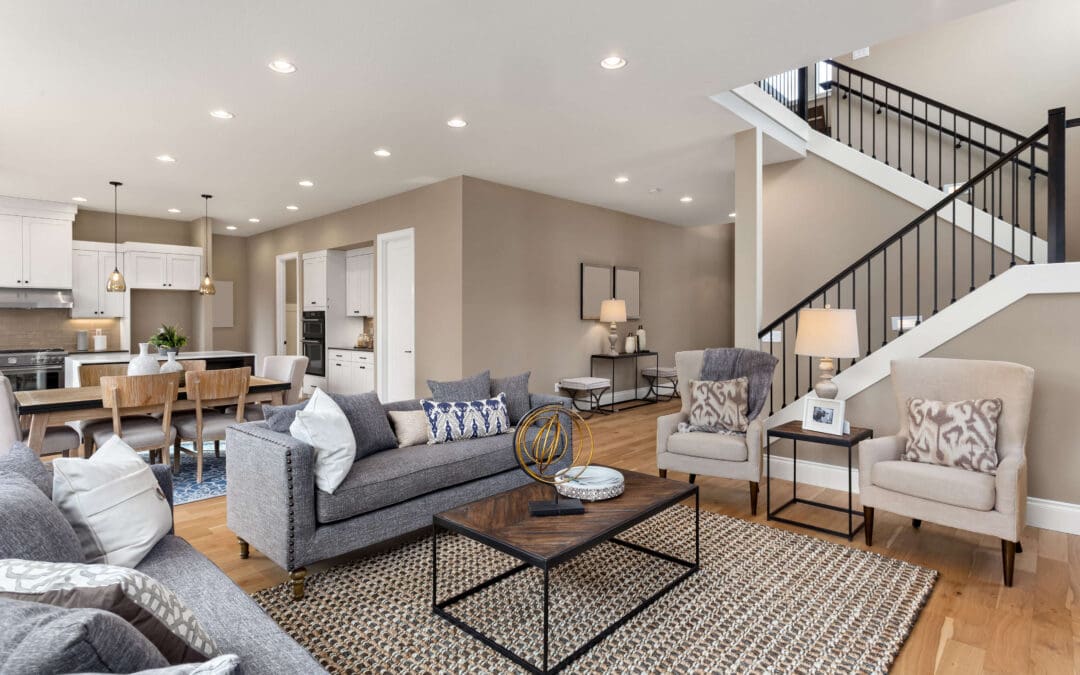
The way a home is presented to buyers has a direct and measurable impact on how quickly it sells and how much it sells for. Staging your home is presenting it at its absolute best so that buyers can see its potential clearly and respond emotionally to what they’re seeing. In a market where most buyers begin their search online and form strong first impressions from listing photos alone, staging is no longer a luxury reserved for high-end properties. It’s a practical tool that any seller can use to gain a meaningful edge.
What Staging Your Home Actually Accomplishes
Many sellers underestimate staging because it feels superficial, such as rearranging furniture, adding flowers, and fluffing pillows. But what staging your home actually accomplishes goes much deeper. It helps buyers see themselves living in the space, which is the emotional trigger that converts a showing into an offer. A staged home photographs better, shows better, and sells faster. According to the National Association of Realtors, staged homes spend less time on the market and frequently sell above list price compared to unstaged homes. The return on the investment can be substantial.
Start With Decluttering and Depersonalizing
The foundation of any successful home staging is decluttering and depersonalizing. These two steps cost nothing and have the highest impact of any staging action you can take. Removing excess furniture, personal collections, family photos, and anything specific to your life, opens the space and allows buyers to project their own vision. Go room by room and apply a ruthless edit. Every item that stays should make the room look larger, cleaner, or more functional. The goal of staging your home at this stage is to create a version of each room that feels airy, welcoming, and universally appealing. Pay particular attention to closets. Buyers open everything, and a packed closet signals insufficient storage. Removing half the contents of every closet communicates that the home has room to breathe.
Focus Your Staging Energy Where Buyers Focus Theirs
Not every room needs equal attention when staging your home. The three rooms that most influence purchase decisions are the kitchen, the primary bedroom, and the living room. These are the spaces where buyers spend the most time imagining their daily life. In the kitchen, clear countertops of everything except one or two thoughtfully placed items. Clean appliances until they shine and replace dated hardware if the budget allows. In the primary bedroom, create a hotel-like atmosphere: neutral bedding, symmetrical nightstands, minimal clutter. In the living room, arrange furniture to highlight the room’s best features rather than pushing everything against the walls. Bathrooms are worth significant staging attention too. Fresh white towels, a clean shower curtain, and spotless fixtures transform a functional bathroom into one that feels like an amenity.
Lighting and Finishing Touches That Make Staging Your Home Complete
Lighting is one of the most impactful and least expensive tools in home staging. Replace any dim or burned-out bulbs with bright, warm-toned LED options and ensure every fixture is working. Open all window coverings to maximize natural light before showings and listing photos; a home that feels bright and airy photographs dramatically better. Fresh flowers or a simple green plant add life that furniture arrangement alone can’t replicate. Address any pet odors or cooking smells directly rather than masking them with heavy artificial scents. A subtle lemon or vanilla-scented diffuser in a central location is a safe, crowd-pleasing choice. Curb appeal sets the tone before buyers enter. A freshly mowed lawn, clean walkway, polished front door, and simple planters at the entry create an invitation that either draws buyers in eagerly or creates reluctance before they’ve seen a single room.
Frequently Asked Questions (FAQs)
How much does staging your home typically cost?
DIY staging costs little beyond your time. Professional staging ranges from $500 to $2,500 for an occupied home consultation and partial staging, and more for vacant homes where furniture must be rented.
Should I stage my home if it’s already nicely decorated?
Yes, but the approach shifts slightly. Personal style isn’t the same as broad buyer appeal. Editing down decorative items, neutralizing specific color choices, and creating cleaner sightlines make even a beautiful home more universally appealing.
Do I need a professional stager or can I do it myself?
Many sellers stage successfully on their own, particularly with guidance from their real estate agent. A professional stager adds the most value in vacant homes, very large homes, and luxury listings. If professional staging isn’t in the budget, a one-time consultation provides a prioritized action plan you can implement yourself.
What’s the most important room to focus on when staging your home?
The kitchen consistently has the most influence on buyer decisions, followed by the primary bedroom and living room. If you have limited time for staging your home, start in the kitchen.
How far in advance should I start staging my home before listing?
Begin at least three to four weeks before your target listing date. Decluttering and deep cleaning take more time than most sellers expect, and having the home professionally photographed at its best is essential.
Carolina HomePro Inspections provides inspections to customers in Charlotte, NC, and in the Rock Hill area of South Carolina. Contact us to schedule an inspection.