
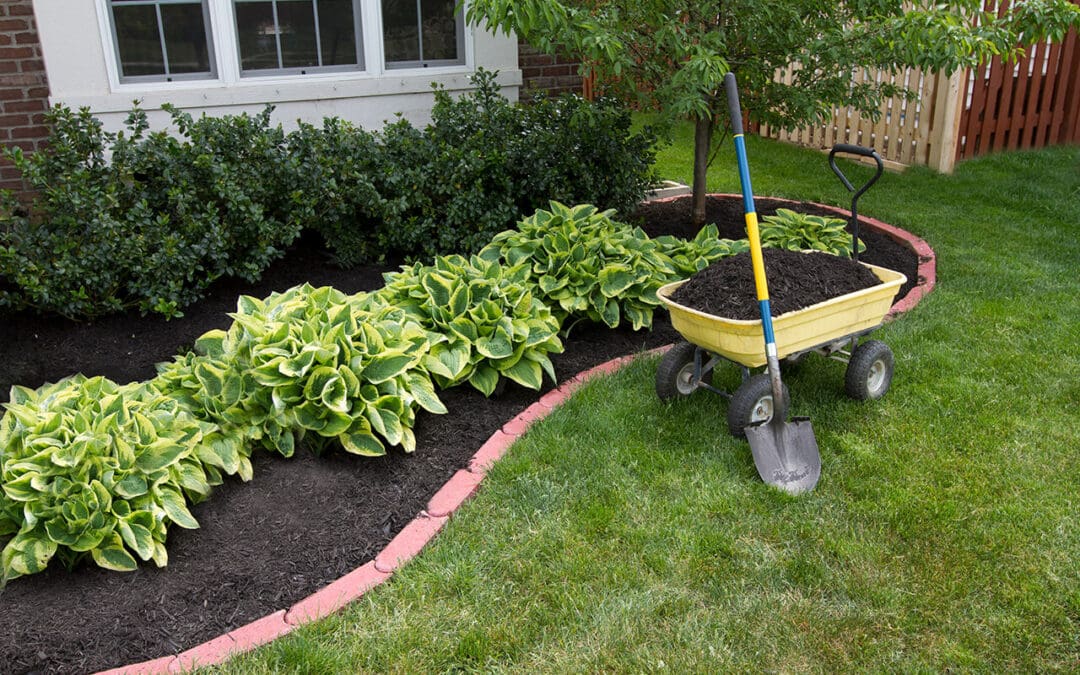
A stunning yard doesn’t have to mean hours of weekly upkeep. Low-maintenance landscaping is all about making smarter choices from the start, selecting the right plants, designing with simplicity in mind, and putting systems in place that reduce the ongoing effort required to keep your outdoor space looking its best. Whether you’re a busy homeowner with limited time or simply looking for a more sustainable approach to yard care, the right low-maintenance landscaping strategy delivers lasting curb appeal without the constant demands of a high-maintenance yard.
Start With a Thoughtful Low-Maintenance Landscaping Design
The decisions made during the design phase have the biggest impact on how much work your yard requires long-term. Simplified layouts with clean, defined borders are far easier to maintain than complex designs with intricate bed shapes and dozens of different plant varieties. Grouping plants with similar water and sunlight needs together reduces the time spent managing different care requirements across the yard. Replacing hard-to-mow areas with ground cover, mulch, or hardscaping eliminates some of the most tedious and time-consuming maintenance tasks.
Choose the Right Plants for Low-Maintenance Landscaping
Plant selection is the single most important factor in creating a low-maintenance landscape. Native plants and climate-adapted species are the foundation of any low-effort yard, they’re naturally suited to local conditions, require little to no supplemental watering once established, and resist local pests and diseases without chemical intervention. Perennials are a particularly smart investment for low-maintenance beds, they return year after year without replanting, gradually filling in to crowd out weeds and reduce bare soil. Avoid plants with aggressive growth habits that require frequent pruning or division to keep in check, as these quickly become more work than they’re worth.
Mulch Heavily to Reduce Ongoing Work
Few landscaping strategies deliver a better return on effort than generous mulching. A three-to-four-inch layer of organic mulch across all planting beds suppresses weeds, retains soil moisture, regulates soil temperature, and breaks down over time to improve soil quality. The reduction in weeding alone makes annual mulching one of the highest-value tasks in any low-maintenance landscaping plan. Topping up mulch once a year keeps beds looking tidy and functioning well, far less effort than the repeated weeding sessions a poorly mulched bed demands throughout the growing season.
Invest in Smart Irrigation
Dragging a hose around the yard or hand-watering individual plants is time-consuming and inefficient. A drip irrigation system or soaker hose setup delivers water directly to the root zone of plants where it’s needed, minimizing waste and dramatically reducing the time spent on watering. Pairing an irrigation system with a timer or smart controller automates watering entirely, adjusting to weather conditions and plant needs without any manual intervention. The upfront investment in a basic irrigation setup pays for itself quickly in time saved and reduced water bills over a single growing season.
Replace High-Maintenance Areas With Hardscaping
Lawns are among the most demanding elements of any residential landscape, requiring regular mowing, edging, fertilizing, aerating, and watering to stay healthy and attractive. Replacing portions of the lawn with hardscaping, such as patios, pathways, gravel areas, or decorative stone, eliminates maintenance requirements in those zones while adding functional outdoor living space. Ground covers like creeping thyme, clover, or ornamental grasses are lower-maintenance lawn alternatives that still provide green coverage with a fraction of the care a traditional turf lawn demands.
Low-Maintenance Landscaping Pays Off Over Time
The initial effort of designing and installing a low-maintenance landscape requires an upfront investment of time and money. But the long-term payoff is significant. A well-designed low-maintenance landscape requires less water, fewer chemicals, less equipment, and far less time to keep looking attractive year after year. For homeowners who want a beautiful yard without dedicating every weekend to its upkeep, low-maintenance landscaping is one of the smartest investments available.
Frequently Asked Questions (FAQs)
What is low-maintenance landscaping?
Low-maintenance landscaping refers to a design approach that minimizes the ongoing time, effort, and resources required to keep a yard looking attractive. It typically involves selecting native or climate-adapted plants, simplifying bed layouts, mulching heavily, installing efficient irrigation, and replacing high-maintenance features like large lawn areas with hardscaping or ground covers.
What are the best plants for a low-maintenance yard?
Native plants and climate-adapted perennials are the best foundation for a low-maintenance landscape. Ornamental grasses, coneflowers, black-eyed Susans, lavender, and daylilies are popular choices in many regions for their hardiness, drought tolerance, and minimal care requirements. Checking with a local nursery or cooperative extension office for species well-suited to your specific climate and soil type ensures the best long-term results.
How do I reduce lawn maintenance without removing the lawn entirely?
Overseeding with a low-maintenance grass variety suited to your climate, reducing fertilizer applications, raising the mowing height to reduce frequency, and installing a simple irrigation timer are all effective ways to reduce lawn maintenance. Converting high-traffic or hard-to-mow areas to mulch, ground cover, or hardscaping while keeping a smaller central lawn area is a practical middle-ground approach many homeowners find satisfying.
Is low-maintenance landscaping more expensive upfront?
It can require a higher initial investment. However, the ongoing savings in water, fertilizer, pest control products, and time typically offset that upfront cost within a season or two.
Carolina HomePro Inspections provides inspections to customers in Charlotte, NC, and in the Rock Hill area of South Carolina. Contact us to schedule an inspection.